
Building on NRC's 2026 plastics work to strengthen our collective voice, partnerships, and policy leadership in 2027
A recent letter to the editor in Georgia's Gwinnett Daily Post caught my attention. It offers a timely example of why the National Recycling Coalition's work on plastics is becoming increasingly important.
John Hewitt of the Consumer Brands Association, representing the Recycling Leadership Council (RLC), recognized the environmental leadership of Gwinnett County's Green Youth Advisory Council while encouraging Georgia's U.S. Senators to support two federal proposals: the Recycled Materials Attribution Act (RMAA) and the Packaging and Claims Knowledge (PACK) Act.
The message was appealing. Recycling is confusing, consumers need clarity, and we need a system that works better. These are goals we share, but are we asking the right questions about why our recycling systems are struggling?
Perhaps we need to approach the conversation from a different perspective: Protecting recycling means addressing the plastics problem, not simply finding more ways to accommodate it.
Is recycling broken, or has plastic impaired it?
For decades, communities have worked to prevent waste, recover valuable materials such as paper, glass, and metals, and increasingly divert food waste and other organics through composting.
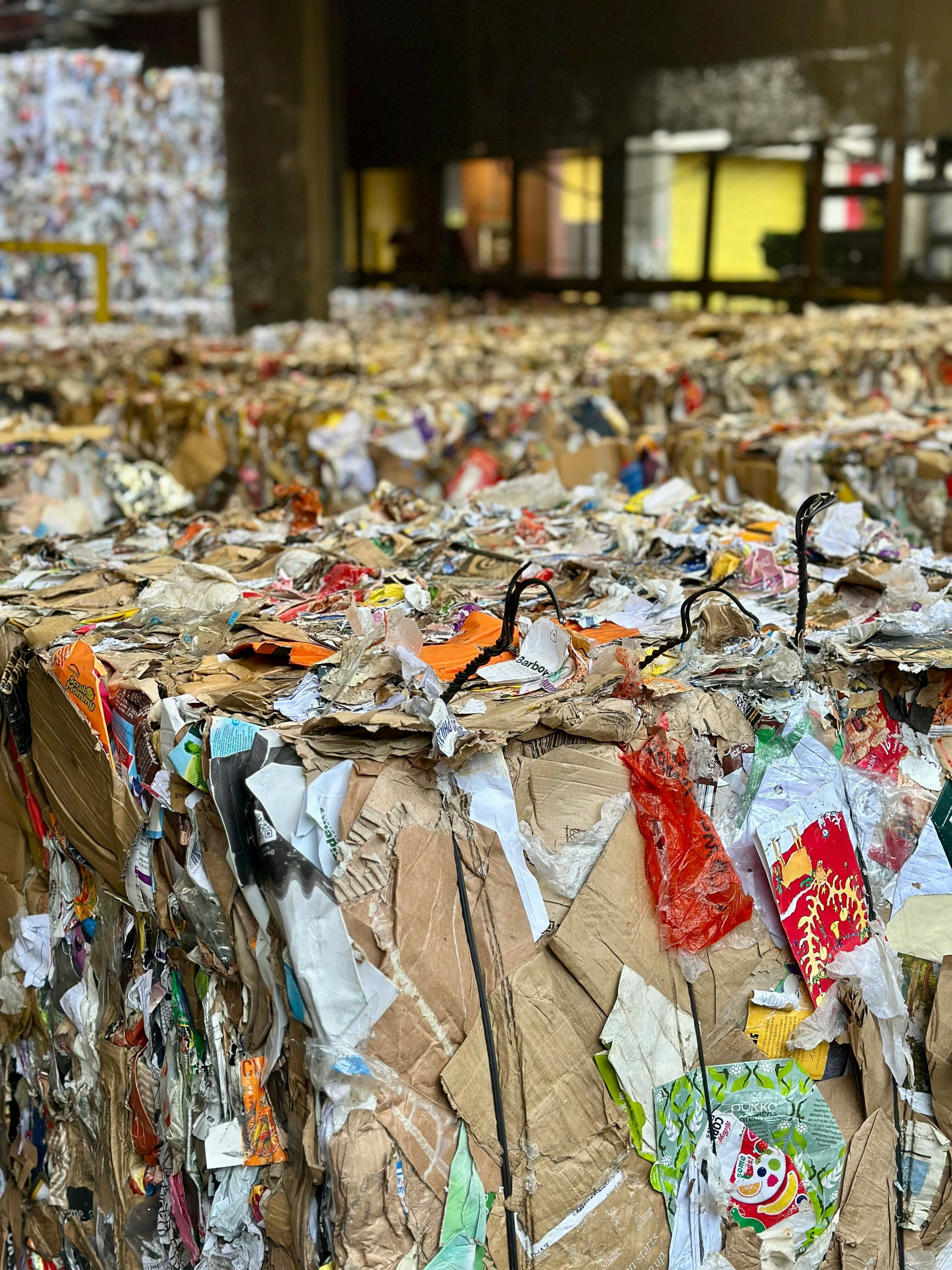
The proliferation of plastics, particularly single-use products and packaging without viable recycling pathways, has complicated these efforts. Recyclability claims have often exceeded the actual capabilities of collection, sorting, processing, and end markets, contributing to contamination, higher costs, and declining public confidence.
The consequences extend well beyond our recycling facilities. Plastics production and pollution increasingly affect our climate, ecosystems, food and water systems, and human health.
Rather than treating recycling itself as the problem, perhaps we should be asking how the proliferation of plastics has impaired our recycling systems and what policies would help restore their effectiveness while addressing the broader impacts of plastics throughout their lifecycle.
What we heard from our members
NRC's Plastics Subcommittee spent much of the past year exploring these questions through stakeholder engagement, a national survey of 241 respondents, member discussions, and a public forum. This work culminated in a comprehensive report approved by the NRC Board in May 2026.
One message came through clearly:
We cannot recycle our way out of a plastics production and consumption problem.
Participants emphasized upstream reduction, reuse and refill systems, producer accountability, legitimate recycling, public health, environmental justice, and inclusive decision-making.
What we heard reinforces the importance of protecting the integrity of recycling while addressing the production, design, consumption, and disposal practices that undermine it.
Asking better policy questions
The RMAA and PACK Act seek greater consistency in recycled-content accounting and environmental marketing claims. Those objectives have merit, but consistency alone does not guarantee better environmental outcomes.
How do we ensure recycled-content claims reflect legitimate material recovery? Can mass-balance accounting be independently verified? How do we distinguish recycling from fuel production? Will federal standards preserve states' ability to advance extended producer responsibility (EPR), waste prevention, and stronger consumer protections?
Perhaps most importantly, will these policies help reduce unnecessary plastics production, consumption, and pollution, or simply make it easier for existing systems to accommodate more plastic?
We should welcome innovation and industry participation while ensuring that policies deliver measurable environmental benefits, protect recycling integrity, and hold producers accountable throughout the materials lifecycle.
From our findings to collective leadership
As NRC develops its plastics policy in 2027, we have an opportunity to accomplish much more than producing another policy document. We can translate our findings and members' experience into practical recommendations, educational resources, and coordinated advocacy strategies.
By strengthening relationships with organizations such as the National Stewardship Action Council, Environmental Protection Network, and other environmental, public health, and community partners, we can amplify our membership's collective voice.
Together, we can better inform Congress and federal agencies, support state policy efforts such as EPR, and respond constructively to industry-led advocacy while advancing our own vision for responsible materials management.
NRC's strength lies in connecting these national policy conversations with the practical experience of recyclers, state recycling organizations, local governments, researchers, and communities.
I encourage our members and partners to help shape this next phase of our work. We have an opportunity to move beyond responding to industry proposals and become a stronger, more proactive voice for solutions.
Protecting recycling means addressing the plastics problem, not simply finding more ways to accommodate it. That is a message around which our diverse membership and partners can come together.
Ultimately, our success should be measured not simply by how much plastic we recycle, but by how effectively we prevent waste, strengthen legitimate recycling, conserve resources, and protect human and ecological health.